
From roadmap to reality: what two days with 100 blended finance practitioners taught us
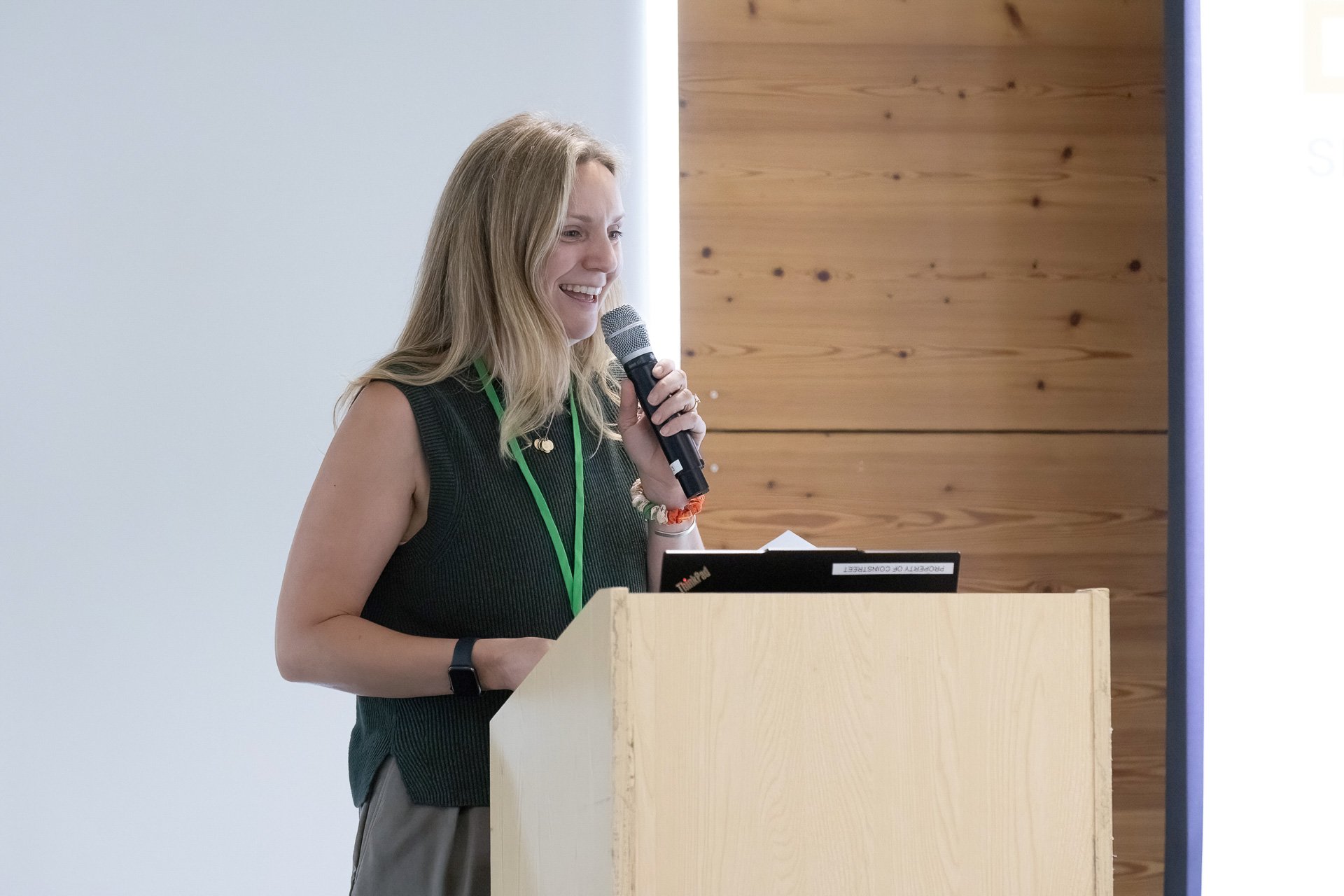
Alex Whatmuff, Investment Director at Better Society Capital and steering group member of the Blended Finance Collective, reflects on the two days.
What struck me most about this year's conference was the energy people brought to it. A hundred practitioners in a room, genuinely wanting to improve their practice, sharing what they're working on, asking hard questions and being honest about what isn't quite working yet.
We're at a key moment for blended finance. According to Convergence around $18 billion was mobilised across 123 transactions in 2024, with private capital now the largest contributor - so the model has been proven. And yet the pressure has rarely been greater: public money is tighter, grant funding is harder to come by, and the gap we're all trying to close keeps widening. The question we kept circling over the two days wasn't about whether blended finance works, but how we make it work faster, at greater scale, and in more places. Although we didn’t walk away with all the answers, we did get a much clearer sense of where the collective effort needs to go.
Here are some of my key takeaways.
Standardisation
This is the topic that generated the most debate and the most useful tension.
Too much time goes into designing structures someone else has already built. Transaction costs eat into the impact case and lawyers start from scratch. So, the appetite for shared infrastructure makes complete sense.
But the pushback was just as thoughtful. Blended finance works precisely because it can flex around context. The structures that serve investors neatly don't always serve investees, and there's a genuine risk that rigid templates quietly squeeze out the innovation the market still needs.
Where the room landed felt right: standardise the principles and the language, not the whole deal. Build guardrails that help people design well, rather than blueprints they're meant to copy. Or, as someone neatly put it, make the right to tailor one of the standards itself. The encouraging part is that more of this already exists than people tend to realise. We don't always need to build from nothing, we need to find and share what's already working - something we plan to do more of on the Blended Finance Collective’ Knowledge Hub.
Technical assistance
There was real appreciation in the room for the value of technical assistance (TA) and frustration about how often it gets squeezed or treated as an afterthought.
The pattern people kept describing is TA arriving too late: after a deal is already in trouble, or once the structure is set and there's no room left to use it well.
When it works best, it's typically designed upfront, aimed at addressing a specific market failure, and tied to the job of actually getting capital to flow. Done that way, it changes what's possible - building pipelines, strengthening the organisations on the receiving end, and reducing the risk of execution.
The harder question, and one we didn't resolve, is how TA best connects to capital deployment. Capacity support that isn't bridged to investment can leave organisations better prepared but still unfunded. Tying TA more deliberately to capital mobilisation, from the design stage, feels like part of the answer. But we need to do that well, without creating perverse incentives or false economies.
Concessionality
This was one of the richest discussions of the two days, and one that people are most eager to solve for.
We've made real progress on thinking about how much concessionality a deal actually needs. But in a lot of markets, the data to test those judgements isn't accessible enough yet. Perceived risk is a real barrier, not an imagined one, and where the evidence base is thin, concessional capital has a legitimate and important role to play. With each deal we need to be clearer about exactly what problem we're solving, how and why this is the right blended finance tool for it.
The thing that came through most strongly is how differently concessionality gets calculated from one institution to another which makes it hard to compare across the sector. But shared methodologies, discussed openly, would help enormously. And more willingness to share the data behind the frameworks, and not just the frameworks themselves.
Knowledge and transparency
The same theme surfaced under almost every session: we generate a lot of useful knowledge, and we're not nearly good enough at sharing it. Insight stays locked inside individual deals. Methodologies sit within organisations that may have outlived their purpose. Toolkits and reports get published and then quietly gather dust.
There was real excitement about what better knowledge infrastructure could look like - including how AI might keep older work alive and surface it at the moment someone actually needs it.
The harder shift is cultural. Until the sector treats knowledge sharing as something valuable rather than something risky, the cleverest tools in the world won't fix the problem. The organisations that share most openly tend to be the ones others want to work with and we want to see how we can build towards this.
What’s next?
We left with plenty unresolved - how you consistently determine minimum necessary concessionality, who owns shared standards and gives them credibility, what actually makes a resource get used rather than shelved.
What we will do next is pull together a fuller output from the conference – and then map the work already underway across the six Calls to Action and work out where collective effort makes the biggest difference.
We'd love to hear from you - where your energy is pointing, what we've missed, what you'd want the Collective to carry forward.
Get in touch if you'd like to keep the conversation going.